

BLOG
Drought in the U.S., Higher Farm Input Costs, and Food Prices
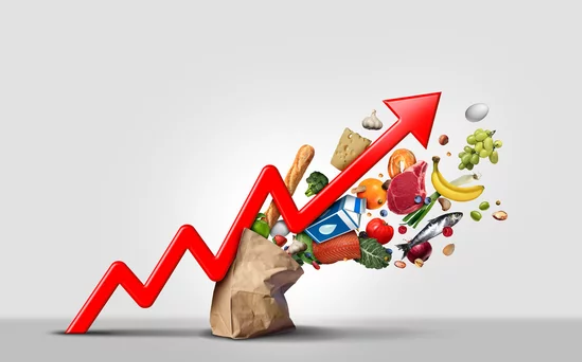
I keep seeing more news about the likely drought across various parts of the U.S. This is at a time when American farmers in those regions are starting to prepare for the 2026-27 summer grains and oilseeds plantings. So far, plantings have only begun in a few areas and typically gain momentum from May onwards.

It is unclear how much area farmers will till, and whether they will stick to the usual area. What we know is that they face two challenges: a likely drought and higher input costs (fertilizer and fuel). The Middle East war complicates an environment where the weather outlook already poses challenges for farmers.
We are also waiting to see how the 2026-27 production season will look here in the Southern Hemisphere, as we start planting in October 2026.
With El Niño a strong likelihood, we may face a drought in Southern Africa at a time when input costs will also be higher. The farmers will have to weigh these issues in deciding how much area they plant in the next season.
Again, these are all challenges for the 2026-27 production season. Currently, there are ample agricultural supplies. For example, the International Grains Council (IGC) placed the 2025-26 global grains and oilseed production at 2.5 billion tonnes, up 9% from a year ago.
These include maize, wheat, soybean, and rice, amongst major grains and oilseeds. There are also ample supplies of sugar, fruits and nuts in the world market. These supplies have kept food prices relatively low in recent months.
But from year-end onwards, the issues of drought and higher fertilizer prices will matter most for prices, as we will be reflecting more on the 2026-27 season crop outlook. The global agricultural market is at a complicated stage.
Again, this doesn’t mean we are in a food crisis; there are ample supplies. But the supplies for 2027 onwards hinge, to an extent, on the 2026-27 agricultural production season, which is confronted by all these weather challenges and higher input costs.
--Wandile Sihlobo
0 COMMENTS
LEAVE A COMMENT